Understanding The Costs Involved In Selling Your Home

Selling a home can be a profitable venture, but it's important to understand the costs involved to avoid surprises.
From agent fees to final closing expenses, here’s a comprehensive look at the costs you may encounter when selling your property.
1. Real Estate Agent Commissions
Real estate agent commissions are typically the most significant cost in the selling process. In Australia, agent commissions usually range from 1.5% to 3% of the final sale price, depending on location and the agent’s experience. Some agents offer flat fees instead, which can be beneficial for higher-value properties.
Tips for Managing Commission Costs:
- Negotiate: Don’t hesitate to negotiate the commission rate, especially if you’re working with a high-value property.
- Inclusions: Ensure you understand what services are covered by the commission, such as marketing and open house organisation.
2. Marketing and Advertising Expenses
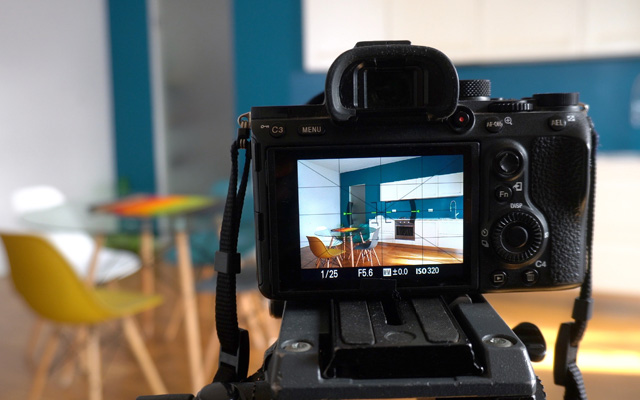
Marketing is essential for attracting buyers, and these expenses can vary depending on the strategy. Typical marketing costs include professional photography, online listings, print advertisements, and promotional materials.
Common Marketing Costs:
- Photography and Videography: Professional photos cost between $150 and $500, while video tours may add another $300–$1,000.
- Online Listings: Listings on high-traffic websites can cost $200–$500.
- Print Advertising: Ads in newspapers or magazines may cost several hundred dollars, depending on the publication.
3. Conveyancing and Legal Fees
A conveyancer or solicitor handles the legal aspects of selling property, including title transfer and contract preparation. Legal fees generally range from $800 to $2,000, depending on the complexity of the sale.
What Legal Fees Cover:
- Title Searches: Verifying the property’s ownership and any encumbrances.
- Contract Preparation: Drafting the sale contract and ensuring it meets legal requirements.
- Settlement: Facilitating the final exchange of funds and documents.
4. Repairs and Home Staging Costs
Investing in minor repairs and staging can increase your property’s appeal and lead to a higher sale price. Staging fees vary based on the extent of the decor and furniture needed, while repair costs depend on the condition of your home
Average Staging and Repair Costs:
- Minor Repairs: Patching walls, fixing leaks, and updating fixtures may cost a few hundred dollars.
- Home Staging: Professional staging typically costs between $2,000 and $5,000, depending on the property size and number of rooms staged.
5. Mortgage Discharge Fees
If you still have a mortgage on your property, your lender may charge a discharge fee to release the property from the mortgage. This fee typically ranges from $200 to $600, but some lenders may charge more, especially if the mortgage is broken before the end of its fixed term.
Important Points:
- Break Fees: For fixed-rate mortgages, additional break fees may apply.
- Processing Time: Discharge processing may take several weeks, so plan accordingly.
6. Capital Gains Tax (CGT)
If you’re selling an investment property, capital gains tax (CGT) may apply. CGT is calculated based on the profit from the sale, which is added to your annual income and taxed accordingly. Homeowners selling their primary residence are usually exempt from CGT, but check with a tax professional to ensure compliance.
CGT Basics:
- Applies to Investment Properties: CGT doesn’t apply to primary residences.
- 50% Discount: For assets held longer than a year, investors may qualify for a 50% CGT discount.
7. Transfer and Closing Fees
When finalising the sale, transfer fees and other closing costs may be required. These fees vary by state and cover administrative aspects of transferring ownership.
Common Closing Fees:
- Transfer Registration Fee: Set by state governments and usually ranges from $100 to $300.
- Settlement Adjustments: Cover shared expenses like council rates, water charges, and strata fees (if applicable), prorated to the sale date.
8. Moving Costs
Don’t forget to budget for moving costs when planning your sale. Costs vary based on distance, amount of furniture, and whether you hire professional movers.
Moving Expenses:
- Local Moves: Typically cost $500–$2,000 for professional movers.
- Long-Distance Moves: Interstate or long-distance moves can cost several thousand dollars, depending on distance and items moved.
Begin your property search today
Browse listings
Suggested articles